


Spirit Seeks to Transfer Atlanta Gates to Delta as Airline Liquidation Continues
Spirit Seeks to Transfer Atlanta Gates to Delta as Airline Liquidation Continues
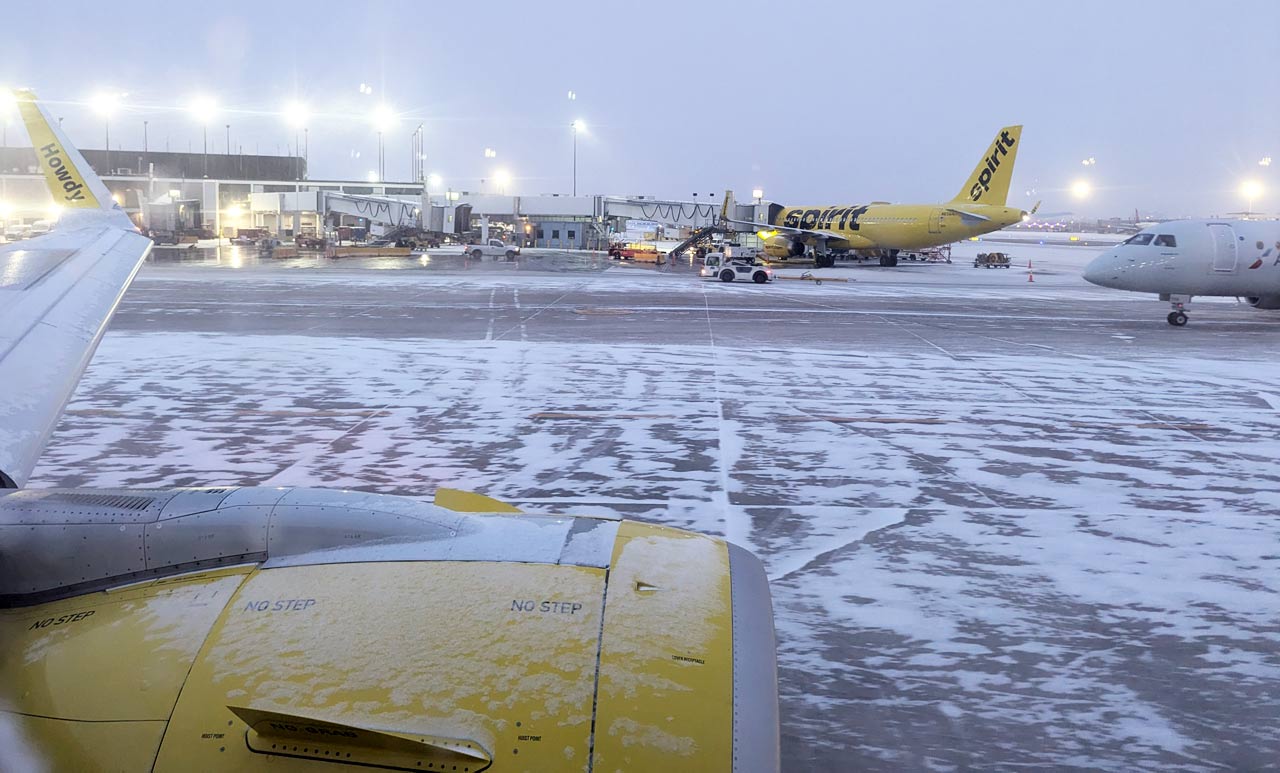
Spirit Aviation Holdings has asked the U.S. Bankruptcy Court for the Southern District of New York to approve the transfer of two former Spirit gates at Hartsfield-Jackson Atlanta International Airport to Delta Air Lines. The request involves gates C4 and C6, along with related lease rights and airport space. According to the bankruptcy filing, Delta offered a $12 million assignment fee to take over the lease through June 30, 2031.
Another carrier also submitted a bid for the Atlanta gates, but Spirit selected Delta after reviewing the offers. A hearing was scheduled for July 8 to consider the proposed transfer. If the court approves the request, another piece of Spirit’s former airport network will move into the hands of a major U.S. airline.
At first glance, this may sound like a technical airport lease story. In reality, it is part of a much larger shift in the airline industry. Gates, ticket counters, aircraft leases, and route networks may look permanent to passengers walking through the terminal, but in bankruptcy court they become assets. They can be sold, assigned, rejected, or transferred. Aviation may look polished at the boarding gate, but behind the curtain it can become a very practical business of paperwork, cash flow, and creditor recovery.
Why the Atlanta Gates Matter
Hartsfield-Jackson Atlanta International Airport is one of the busiest airports in the world and serves as Delta’s largest hub. Gate access there is extremely valuable because it affects how many flights an airline can operate, how efficiently it can schedule aircraft, and how much room it has to protect or expand its network.
For Delta, acquiring gates C4 and C6 would strengthen an already powerful position in Atlanta. The proposed transfer also includes related facilities, which may help Delta use the space more efficiently. At a major hub, two gates are not merely two doors where passengers board airplanes. They can represent additional flight capacity, better scheduling flexibility, and stronger control over airport operations.
For Spirit, however, the transaction has a very different purpose. Since the airline has ceased operations and entered liquidation, the remaining value of the company is tied to assets such as airport leases, equipment, contractual rights, and real estate interests. Selling or transferring those assets helps generate cash that can be distributed according to the bankruptcy process.
Earlier This Year: Spirit’s Chicago O’Hare Gate Transfer to United
The Atlanta proposal follows another significant transaction that made headlines earlier this year. In February, Spirit requested court approval to transfer two of its preferential-use gates at Chicago O’Hare International Airport to United Airlines for approximately $30.2 million.
Those gates, G12 and G14, had become surplus to Spirit’s needs after the airline dramatically reduced service at O’Hare. Earlier, Spirit had already reassigned two additional Chicago gates to American Airlines, making it clear that the carrier was shrinking its presence long before operations officially ended.
According to bankruptcy filings, two major airlines submitted offers for the remaining O’Hare gates. Spirit ultimately selected United because its proposal represented the strongest overall combination of financial value and operational compatibility.
The proceeds from the proposed Chicago transaction were expected to help repay obligations under Spirit’s debtor-in-possession financing agreement, providing additional liquidity while the company continued restructuring efforts.
How Spirit Reached This Point
Spirit Airlines spent years building its reputation as one of America’s largest ultra-low-cost carriers. Its business model focused on offering inexpensive base fares while allowing passengers to purchase optional services such as baggage, seat assignments, and onboard amenities.
Although the model helped Spirit expand rapidly, the airline also faced significant financial pressure in recent years. Rising operating costs, increased competition, changing travel demand, higher borrowing expenses, and operational disruptions combined to place substantial strain on the company’s finances.
In August 2025, Spirit entered bankruptcy protection for the second time after reporting declining cash reserves and continuing financial losses. During restructuring, the airline exited fourteen airports and rejected leases covering more than eighty aircraft in an effort to reduce expenses and preserve remaining capital.
Unfortunately, those measures were not enough to restore long-term viability. Spirit officially ceased operations on May 2 and transitioned into full liquidation. Instead of rebuilding the airline, management shifted its attention toward maximizing the value of the company’s remaining assets for creditors.
The transfer of airport gates in Atlanta and Chicago represents one part of that liquidation strategy. What once supported hundreds of daily departures is now being redistributed among larger network carriers.
What Travelers Should Expect
Whenever an airline leaves the marketplace, travelers inevitably notice changes. Some routes disappear entirely, while others are taken over by competing carriers. In many cities, passengers may experience fewer low-cost options and reduced price competition.
Spirit’s exit could affect airfare differently depending on the market. Large hub airports such as Atlanta and Chicago O’Hare generally have enough airline competition to absorb much of the lost capacity. Smaller cities, however, may experience fewer choices and potentially higher average ticket prices if discount competition declines.
Another consequence is reduced scheduling flexibility. Travelers who previously relied on multiple daily departures offered by ultra-low-cost carriers may discover fewer departure times or fewer nonstop options.
This situation also serves as an important reminder for travelers planning future vacations or business trips. Before purchasing non-refundable hotels, tours, or event tickets, it is wise to evaluate the financial stability of the airline providing transportation. Bankruptcy proceedings can move quickly, and route cancellations sometimes occur with little notice.
Why Airport Gates Command Millions of Dollars
To many passengers, an airport gate appears to be nothing more than a waiting area with chairs and a boarding bridge. Within the airline industry, however, gates are among the most valuable operational assets available.
Major airports cannot simply construct additional gates whenever airlines request them. Expansion projects require years of planning, enormous financial investments, regulatory approvals, and available land. Because supply is limited, existing gate leases become extremely valuable.
Control of additional gates allows airlines to schedule more departures, improve aircraft utilization, strengthen connecting banks of flights, and defend market share against competitors. That explains why carriers are willing to invest tens of millions of dollars to secure long-term operating rights.

Spirit Airlines plane above New York
Travel Planning Becomes Even More Important
One lesson from Spirit’s liquidation is that travelers should always have a backup plan. Flights can be canceled, schedules may change, and entire routes can disappear with relatively little warning. While most major airlines continue operating normally, recent events demonstrate that the transportation portion of a trip should never be taken for granted.
Business travelers are especially affected by airline schedule changes because meetings, conferences, and client visits often leave little room for delays. Families planning vacations may also find themselves scrambling for alternative flights if an airline unexpectedly exits a market or reduces service.
Fortunately, air transportation is only one part of the overall travel experience. In many situations, dependable ground transportation can provide an effective alternative when airline schedules become limited or inconvenient.
When a Flight Isn’t the Only Option
Not every journey requires another airplane. Depending on the distance, a professionally chauffeured vehicle can often replace a canceled or unavailable flight while providing a far more comfortable travel experience.
For travelers heading between Kentucky and the Chicago metropolitan area, private transportation can eliminate airport parking, rental cars, multiple connections, baggage handling, and the uncertainty that often accompanies disrupted airline schedules.
Whether traveling for business meetings, university visits, medical appointments, family events, or vacations, direct limousine transportation offers door-to-door convenience that commercial airlines simply cannot match. Instead of navigating multiple terminals, waiting for baggage, or coordinating rides after landing, passengers can enjoy uninterrupted transportation from their pickup location directly to their destination.
If airline schedule changes affect your travel plans, a professional limousine service may be able to replace the trip entirely. Travelers looking for dependable long-distance transportation between Kentucky and Chicago can review current Kentucky limousine rates to Chicago O’Hare Airport, Midway Airport, and downtown Chicago. In many situations, especially for families, business groups, or travelers carrying significant luggage, private ground transportation can become a practical and surprisingly cost-effective alternative to flying.
More Than Just Airport Transfers
Professional chauffeured transportation is often associated with airport pickups, but it also serves travelers whose flights have been delayed, canceled, or significantly rescheduled. Rather than spending hours searching for replacement airline tickets, many passengers simply choose to complete their journey by road.
This approach offers several advantages. Travelers avoid security checkpoints, baggage claim delays, rental car counters, and unexpected overnight hotel stays caused by missed connections. A professional chauffeur monitors traffic, plans the route, and allows passengers to relax, work, answer emails, or simply enjoy the trip.
For corporate travelers, uninterrupted travel time can become productive work time. Mobile offices are becoming increasingly common, and a quiet luxury vehicle often provides a better environment for phone calls and laptop work than a crowded airport terminal.
The Airline Industry Continues to Evolve
The transfer of Spirit’s Atlanta gates to Delta, together with the earlier Chicago O’Hare proposal involving United Airlines, illustrates a broader trend within the aviation industry. As airlines expand, merge, restructure, or unfortunately disappear, valuable airport infrastructure is continually redistributed among carriers.
Large network airlines benefit from additional gate capacity because it supports future growth and improves operational efficiency. At the same time, passengers may notice fewer ultra-low-cost options in certain markets as consolidation continues.
Competition remains healthy at many major airports, but the balance continues to shift. Airlines today must carefully manage debt, fuel costs, staffing, fleet planning, and operational reliability while competing in an increasingly demanding marketplace.
A Reminder for Every Traveler
The Spirit story demonstrates that travel plans should always include flexibility. Purchasing travel insurance when appropriate, monitoring airline announcements, arriving at the airport with sufficient time, and having an alternative transportation plan can significantly reduce stress when unexpected events occur.
Technology continues to improve the travel experience, but even the best mobile apps cannot prevent weather delays, equipment issues, labor shortages, or financial restructuring. Smart travelers understand that successful trips are built not only on good airline schedules but also on good contingency planning.
Looking Ahead
Whether the Atlanta gate transfer receives final court approval or not, the direction of Spirit’s remaining assets is becoming increasingly clear. Airport gates, lease agreements, equipment, and other operational resources are gradually being redistributed to carriers that continue expanding their networks.
For Delta, acquiring additional gate space in Atlanta represents another investment in one of the world’s busiest airports. Earlier activity involving United and American at Chicago O’Hare demonstrated the same principle: valuable airport infrastructure rarely sits unused for long when major airlines have opportunities to strengthen their operations.
For passengers, the situation serves as a reminder that the aviation industry is constantly changing. Airlines launch new routes, discontinue others, merge, restructure, and occasionally disappear altogether. Staying informed about those developments allows travelers to make better decisions when planning business trips, vacations, and family travel.
One thing remains constant: every successful journey depends on reliable transportation from beginning to end. Whether your trip includes a commercial flight or circumstances require an alternative, having dependable ground transportation available can remove uncertainty and help keep travel plans on schedule.
Spirit Airlines helped reshape the ultra-low-cost airline market for many years, and its final liquidation marks the end of an important chapter in American aviation. While its airport gates may soon display the branding of other airlines, the lessons surrounding financial stability, competition, and careful travel planning will remain relevant for passengers long after the final bankruptcy filings have been completed.